
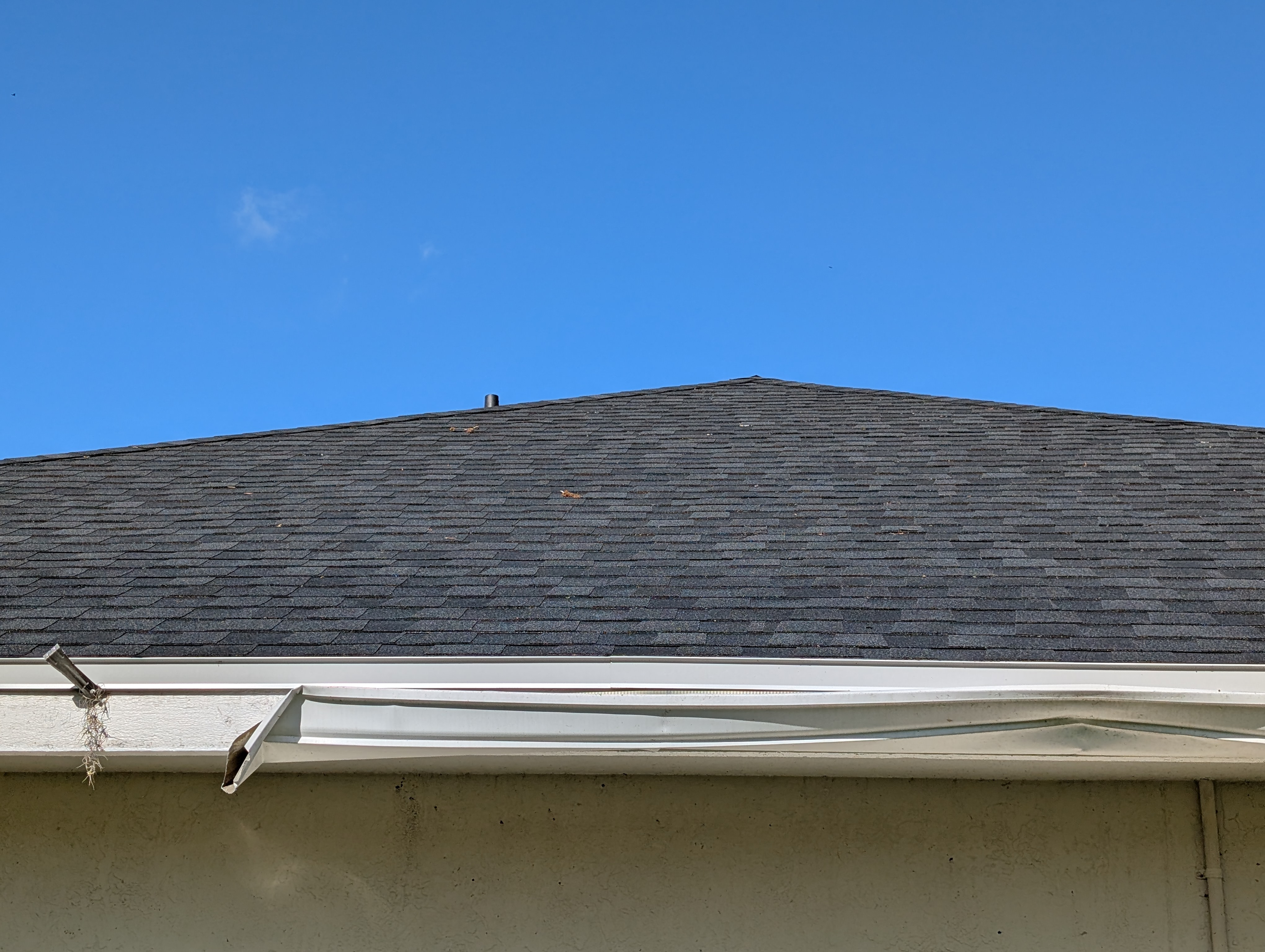
Introduction: Your Home’s Total Shield in Central Florida
When homeowners consider protecting their property from the elements, the roof is often the primary focus. Indeed, a sturdy roof acts as a crucial umbrella. However, a roof, while paramount, is just one component of a comprehensive system that works to keep a home safe, dry, and aesthetically pleasing. Other exterior elements—such as gutters, siding, and the architectural details around the roof’s edges known as soffit and fascia—collaborate with the roof to form a complete shield. This article explores these essential contracting services, highlighting how they contribute to the overall protection and beauty of Central Florida homes.
Central Florida’s unique climate presents distinct challenges for home exteriors. The region experiences abundant sunshine, heavy rainfall, high humidity, and the periodic threat of significant storms. These environmental factors necessitate a robust defense system for any dwelling. Common issues stemming from this climate include pervasive water damage and persistent pest pressures. Homeowners may sometimes focus on the most visible protective element, the roof, without fully appreciating how interconnected and collectively vital other exterior systems are. Understanding this “total shield” concept can encourage a more proactive and holistic approach to home maintenance. Such an approach can prevent minor issues from escalating into substantial, costly repairs, contributing to long-term financial well-being, a principle valued by expert contractors.
This overview will examine gutters, siding, and soffit/fascia. It will detail their functions, explain their importance for a home’s structural health, and illustrate how they integrate with the roofing system to provide optimal defense against Florida’s demanding weather.
Florida’s Unique Challenges: Why Your Home’s Exterior Works Overtime
The Sunshine State’s climate, while attractive in many ways, subjects residential structures to considerable stress. Understanding these specific environmental pressures is key to appreciating the importance of a well-maintained home exterior.
A. The Sunshine State’s Tough Love for Houses
Florida’s intense, year-round sun is a significant factor. Constant exposure to powerful ultraviolet (UV) rays can degrade roofing materials by causing them to dry out and become brittle. Similarly, siding can suffer from faded paint and material breakdown due to UV radiation.
Compounding the solar exposure is the subtropical climate, characterized by frequent, heavy rain and pervasive high humidity. This persistent moisture creates an ideal environment for mold growth, which can appear on various exterior and interior surfaces. Unprotected wooden components are particularly susceptible to rot. Water can also find its way into the smallest cracks or openings, leading to hidden damage. Statistics indicate that Florida is a leading state for flood damage losses, with numerous flood insurance policies in effect, underscoring the high risk of water-related problems. The estimated cost for water damage repair in Florida can range from $7,000 to $20,000, reflecting the severity of potential issues.
Furthermore, Central Florida is no stranger to storms. Beyond major hurricanes and tropical storms, even routine thunderstorms can bring high winds and driving rain. These winds are capable of dislodging shingles, tearing away sections of siding, and damaging gutter systems. The combination of intense sun weakening materials, followed by heavy rain and wind, creates a scenario where each climatic factor can worsen the damage caused by the others.
B. Unwanted Guests: Florida’s Pest Pressures
The warm, humid conditions that define Florida also make it an inviting habitat for a wide array of pests. Termites, ants, cockroaches, and rodents are common nuisances for homeowners. Termites, in particular, represent a substantial threat. Florida is often referred to as the “termite capital” of the United States, with an average of 13 or 14 termite colonies per acre, each potentially housing millions of insects. These pests thrive in moist environments and are responsible for billions of dollars in property damage annually across the U.S., damage that is frequently not covered by standard homeowners’ insurance policies.
The condition of a home’s exterior is directly linked to its vulnerability to pests. Damaged siding, compromised soffits, or inadequately sealed areas around pipes and vents can serve as easy entry points. Any failure in the water-shedding components of a home’s exterior—roof, gutters, siding, or seals around soffit and fascia—can lead to moisture buildup. This moisture, in turn, attracts pests like termites, creating a direct pathway from a seemingly minor exterior flaw to a significant and costly infestation.
C. The Cost of Neglect in Our Climate
These Florida-specific challenges mean that neglecting small exterior issues can allow them to rapidly escalate into major, expensive problems. Water intrusion that begins as a small leak can lead to widespread mold or structural rot. A tiny crack that allows pests entry can result in extensive damage before it’s even detected. Therefore, proactive maintenance and the engagement of quality contracting services should be viewed as an investment in a home’s longevity and value, rather than an avoidable expense.
Beyond the Shingles: Key Services for a Healthy and Beautiful Home
While the roof is the first line of defense, several other components are essential for maintaining a home’s structural integrity and aesthetic appeal, especially in Central Florida. These include gutters, siding, and the soffit and fascia system.
A. Gutters: Directing Florida’s Rains Safely Away
Gutters are the channels affixed along a roof’s edge. Their primary function is to collect rainwater flowing off the roof and direct it, via downspouts, safely away from the house. This seemingly simple task is vital for protecting a home’s foundation. By preventing water from accumulating around the foundation, gutters help to avoid soil erosion, which can lead to instability and cracks.
In Florida, with its frequent and often torrential rainfall, effective water management is critical. Properly functioning gutters prevent rainwater from splashing back onto siding, windows, and doors, thereby reducing the likelihood of staining, rot, and premature wear on these surfaces. They also play a role in preventing water from seeping into any low-lying storage areas or crawl spaces. Furthermore, by keeping the areas immediately surrounding the home drier, gutters help to reduce the risk of mold and mildew growth, which thrive in damp conditions. Well-maintained gutters also protect landscaping by preventing concentrated deluges of water from washing away soil and damaging plants.
Several signs indicate that gutters may require attention. Obvious indicators include water overflowing from the gutters during rain, creating a “waterfall” effect, or gutters that are visibly sagging or pulling away from the house. Water stains or peeling paint on the siding directly beneath the gutters can also signal a problem. After rainfall, puddles forming near the foundation are a red flag. Less obvious signs might include the growth of mold or mildew on or around the foundation or siding, or even small plants taking root in the debris accumulated within the gutters. If a homeowner cannot recall the last time the gutters were cleaned, it is likely time for an inspection and cleaning. Gutter failures can have cascading effects; for instance, persistent overflow can saturate the fascia boards to which they are attached, leading to rot, and can also allow water to penetrate behind siding. The accumulation of leaves and organic debris can also create an environment that attracts insects and other pests. For effective water management, particularly for “gutter installation Orlando,” proper sizing, slope, and secure attachment are paramount.
B. Siding: Your Home’s Armor and Aesthetic Appeal
Siding serves as the protective outer skin of a home’s walls. It shields the underlying structure from weather elements such as rain, wind, and the intense Florida sun. Beyond its protective role, siding significantly contributes to a home’s curb appeal and overall appearance. Certain types of siding can also enhance insulation, helping to keep the home cooler in the summer and potentially reducing energy expenditures.
Given Florida’s climate, siding materials must be resilient against moisture, heat, and pests. Several options perform well in these conditions:
-
Fiber Cement Siding: This material is exceptionally durable and offers excellent resistance to rot, pests (including termites), fire, and moisture. It maintains its integrity well in Florida’s demanding climate.
-
Vinyl Siding: A cost-effective choice, vinyl siding is moisture-proof, requires minimal maintenance, and is available in a wide array of colors. Opting for thicker, higher-grade vinyl panels can improve durability, especially against strong sun and humidity.
-
Engineered Wood Siding: For homeowners desiring a natural wood appearance, engineered wood provides enhanced resistance to moisture and insects compared to traditional wood siding. However, it may require more periodic upkeep than vinyl or fiber cement options.
The following table offers a quick comparison of these siding choices suitable for Florida homes:
Quick Guide: Siding Choices for Your Florida Home
| Siding Type | Key Florida Benefits | Maintenance Notes | ||
|---|---|---|---|---|
| Vinyl Siding | Affordable, good moisture resistance, many colors | Low maintenance, occasional washing; thicker grades better | ||
| Fiber Cement Siding | Excellent durability, resists rot/pests/fire/moisture | Low maintenance, may need repainting after 10-15 years | ||
| Engineered Wood Siding | Natural wood look, better moisture/pest resistance than wood | May require periodic painting/sealing |
Quality siding, correctly installed by “exterior home contractors Orlando,” offers critical protection. It resists penetration by wind-driven rain, preventing water from reaching and damaging wall structures. Robust materials like fiber cement and properly reinforced vinyl are designed to withstand strong winds typical of Florida storms. Certain siding types, particularly fiber cement, also act as a deterrent to termites and other wood-boring insects. Lighter-colored siding can reflect solar heat, while insulated siding adds a thermal barrier, both contributing to cooler interiors and potentially lower air conditioning costs.
Signs that siding may need professional attention include visible cracks, splits, or holes. Panels that appear warped, buckled, loose, or are missing altogether indicate a problem. Fading or peeling paint can sometimes be more than cosmetic, potentially signaling underlying moisture issues. The presence of mold or mildew on the siding surface, or an unexplained increase in energy bills, could also point to compromised siding performance. A breach in the siding is not merely an aesthetic concern; it can allow moisture to become trapped within wall cavities, leading to hidden rot and mold, and can provide entry points for pests. The choice of siding material, therefore, has long-term financial implications that extend beyond the initial installation cost, encompassing resistance to costly repairs and potential energy savings.
C. Soffit and Fascia: The Unsung Guardians of Your Roofline
Soffit and fascia are essential architectural components of a roofline that often go unnoticed but play critical roles in a home’s protection and ventilation. The soffit is the exposed surface beneath the roof’s overhang—the part visible when looking up at the roof’s edge from beside the house wall. Soffits are often vented to allow for air intake. The fascia is the vertical board that runs along the roof’s edge, situated directly beneath the shingles and serving as the mounting surface for gutters. It essentially forms the “face” of the roof’s extremity.
These components perform several important jobs. Vented soffits are crucial for proper attic ventilation. They allow fresh, outside air to enter the attic, which helps to circulate and push out hot, moist air that can accumulate, especially in Florida’s climate. This ventilation is vital for preventing moisture buildup that can lead to mold, mildew, and wood rot within the attic and roof structure. Soffits also act as a physical barrier, preventing pests such as squirrels, birds, bats, and insects from gaining entry into the attic.
Fascia boards provide the necessary structural support for the gutter system. Gutters, especially when filled with rainwater, can be quite heavy, and strong fascia is essential to keep them securely in place and functioning correctly. Fascia also protects the exposed ends of the roof rafters from weather elements and contributes to the home’s finished appearance and curb appeal.
In Florida, the functions of soffit and fascia are particularly significant. The attic ventilation facilitated by soffits helps to reduce heat buildup during hot summer months, which can, in turn, lessen the load on air conditioning systems and lower cooling costs. Critically, it also helps manage humidity levels in the attic, mitigating risks of mold and rot. Given Florida’s abundant pest populations, intact soffit and fascia are vital for sealing off potential attic entry points. Furthermore, these components are key to preventing water damage. If fascia is damaged or rotted, gutters can sag or detach, leading to uncontrolled water overflow that can damage the foundation, siding, or landscaping. Water can also penetrate behind damaged soffit and fascia, leading to rot in the roof deck and rafters.
Warning signs that soffit and fascia may need “soffit and fascia repair Florida” include peeling paint or visible water stains on their surfaces. Wood components may show signs of cracking, rotting, or crumbling. Evidence of pests, such as droppings, nests, or chew marks near the roofline or in the attic, can also indicate compromised soffit or fascia. Gutters that are pulling away from the house or sagging might be a sign of rotted fascia boards. Other indicators can include leaks in the attic near the eaves or a noticeably hot and damp attic environment, suggesting poor ventilation. The health of soffit and fascia is directly linked to a home’s energy efficiency and its defense against moisture and pests.
The Team Effort: How These Services Work with Your Roof
A home’s exterior protection relies on a coordinated system where the roof, gutters, siding, and soffit/fascia all play interconnected roles. No single component works in isolation; their collective performance determines the overall resilience of the home.
A. Your Home’s Exterior: A System, Not Just Parts
This system operates through synergy. A well-maintained roof effectively sheds water, but it depends on functional gutters to channel that water safely away from the structure. Without efficient gutters, even the best roof cannot prevent potential foundation damage or waterlogging around the home’s base. Soffit and fascia are integral to protecting the edges of the roof deck and ensuring that the attic—and consequently the underside of the roof deck—remains properly ventilated and dry. Damage to soffit or fascia can expose the roof structure to moisture, leading to rot that can compromise the roof from its edges or from within the attic due to condensation. Siding protects the walls of the home; if water infiltrates behind damaged siding, it can affect the home’s structural framework, upon which the roof is supported. Conversely, well-maintained gutters prevent constant water exposure to siding and fascia, thereby extending their service life. The failure of one component often initiates a domino effect, accelerating the deterioration of adjacent elements and potentially the roof itself.
B. Protecting Your Biggest Investment
Comprehensive “Central Florida home maintenance” that addresses all these exterior components is fundamental to preserving the longevity of the roof and the overall structural health of the home. A seemingly localized problem, such as a clogged gutter, can quickly cascade into more widespread issues, including rotted fascia, water penetration behind siding, or damage to the roof’s edge. Viewing exterior maintenance as an integrated system, rather than a series of isolated tasks, supports a preventative strategy. This approach can significantly reduce the likelihood of major, costly failures, such as extensive water damage or severe pest infestations, which are considerable risks in Florida.
C. Orange Contracting’s Holistic Approach
Expert contractors understand this interconnectedness. Companies like Orange Contracting and Roofing approach a home’s exterior not as a collection of separate parts, but as a unified system. Their assessment considers how all elements function together. This comprehensive perspective is reflected in their offering of a “comprehensive suite of services” and “end-to-end support,” ensuring that underlying issues are addressed, not just surface symptoms. Their expertise in “Comprehensive Property Recovery” and “Turnkey General Contracting” further indicates an ability to manage these complex, interconnected exterior issues effectively.
Choosing Your Central Florida Home Exterior Expert
Selecting the right contractor is crucial for ensuring the longevity and effectiveness of any home exterior project, particularly in Florida’s challenging climate.
Why Experience and Expertise Matter in Florida
Florida’s unique combination of intense sun, heavy rain, high humidity, and storm risks demands contractors with a deep understanding of local conditions and building science. It’s not merely about installing a product; it’s about selecting appropriate materials and employing installation techniques that are proven to withstand Florida’s specific environmental stresses. For instance, materials should be “engineered to withstand Florida’s climate”.
What to Look For in a Contractor
Homeowners should seek contractors who demonstrate:
-
Licensing and Insurance: Proper credentials are non-negotiable for protection and compliance. Orange Contracting and Roofing is a licensed general contractor, licensed roofing contractor (CCC1337502), licensed residential contractor (CRC1336049), and insured.
-
Years of Experience: Extensive experience often translates to higher quality workmanship and problem-solving capabilities. Orange Contracting and Roofing possesses over 20 years of experience.
-
Use of Quality, Durable Materials: The choice of materials significantly impacts performance and longevity. Reputable contractors partner with leading manufacturers to use premium, durable materials.
-
Strong Warranties: Good warranties provide peace of mind and reflect a contractor’s confidence in their work and materials. Orange Contracting and Roofing offers industry-best warranties.
-
Focus on Client Satisfaction and Clear Communication: A commitment to integrity, client advocacy, and transparent communication, including detailed reports, is essential for a positive experience.
-
Comprehensive Service Capabilities: The ability to address various interconnected exterior issues indicates a holistic understanding of home protection.
In a market that can be affected by weather-related damage events, these credentials and attributes become critical differentiators, signifying reliability and helping homeowners mitigate risks.
The Orange Contracting and Roofing Difference
Orange Contracting and Roofing positions itself not merely as contractors but as “dedicated advocates” for their clients. Their operational philosophy emphasizes “Expert Inspections,” “Unmatched Craftsmanship,” “Best In Class Materials,” and striving for “Financial Peace of Mind” for homeowners. The presence of claims experts and licensed public adjusters within their senior staff, although often highlighted in the context of restoration, underscores a broader principle of client advocacy and expertise in navigating complex property issues. This depth of understanding can be invaluable for homeowners undertaking significant exterior projects, reinforcing trust and positioning them as a partner in protecting the home.
Take Action: Secure Your Home’s Future Today
Protecting a home’s exterior is an ongoing responsibility, but one that yields significant returns in terms of safety, value, and peace of mind.
Don’t Wait for a Small Problem to Become a Big Headache
Proactive care of gutters, siding, soffit, and fascia is generally far less disruptive and expensive than addressing major damage after it has occurred. Homeowners are encouraged to conduct regular visual inspections of their home’s exterior, paying particular attention after storms or periods of severe weather, to catch potential issues early.
Your Home Deserves the Best Protection
The gutters, siding, soffit, and fascia are all vital to the overall health, beauty, and structural integrity of a Central Florida home. Investing in their proper maintenance and timely repair by qualified professionals is an investment in the property’s future.
We Can Help
For homeowners ready to provide their homes with the complete protection needed against the Florida elements, a comprehensive assessment and expert advice are key first steps. To discuss roofing, gutters, siding, soffit, and fascia needs, Orange Contracting and Roofing can be contacted for a free consultation.
Call Orange Contracting and Roofing at 407-205-2676 or email [email protected]
The company’s office is located at 105 Candace Dr., Suite 129, Maitland, FL 32751. Taking this step can help ensure a home is well-prepared to face the demands of the Central Florida climate for years to come.