
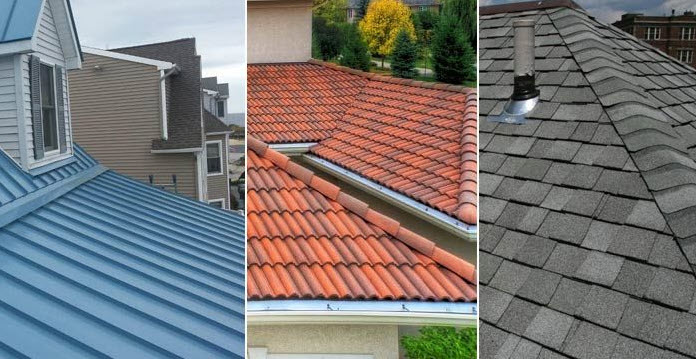
Living in Central Florida means enjoying long, sunny days—and preparing for heavy rains, high humidity, and tropical storms. A roof is not just an aesthetic choice; it’s your home’s first line of defense against this challenging climate. Picking the right roofing material can help protect your house, save energy, and avoid frequent repairs. This guide compares popular roofing materials and explains how they perform in Florida’s climate.
Why Florida’s Climate Matters for Your Roof
Florida summers bring intense sunshine and heat. Conventional roofs can reach temperatures of 150 °F or more on a sunny day, while reflective “cool roofs” can stay over 50 °F cooler. That big temperature difference affects your attic temperature and energy bills. A properly chosen and installed roof can also stand up to hurricane‑strength winds and driving rain.
Cool roofs do more than lower your attic temperature. The U.S. Department of Energy notes that they can reduce air‑conditioning needs, improve comfort in un‑air‑conditioned spaces and even extend roof life. The EPA adds that cool roofs absorb less heat because they have a high solar reflectance and high thermal emittance, which helps keep buildings and the surrounding air cooler epa.gov
What is a Cool Roof? While not every roofing material naturally meets the “cool roof” criteria, reflective coatings and lighter colors can help almost any roof perform better in our hot climate.
Comparing Roofing Materials
Choosing a roof involves balancing cost, durability, appearance and performance. Here’s how common roofing materials stack up in Florida.
Asphalt Shingles
Asphalt shingles are the most common roofing material in the U.S. They’re made from fiberglass mats coated with asphalt and topped with protective granules ibhs.org.
-
Pros
-
Affordable and widely available. Shingles are less expensive than most alternatives and come in many styles and colors.
-
Easy to install and repair. A qualified contractor can install a shingle roof quickly, and minor repairs are usually straightforward.
-
Energy‑efficient options exist. While standard shingles absorb a lot of heat, some products use reflective granules. Constellation notes that these special shingles limit heat absorption and promote sun reflection blog.constellation.com Asphalt shingles are one of,to improve your home’s efficiency.
-
-
Cons
-
Shorter lifespan. Typical asphalt roofs last about 15–25 years, shorter than metal or tile roofs.
-
Less heat resistant. Even with reflective granules, the average solar reflectance index (SRI) for asphalt shingles is 16–32 blog.constellation.com with other energy,32 SRI, meaning they still absorb more heat than metal or tile.
-
Prone to wind damage. Basic shingles can peel off in high winds; homeowners in hurricane zones should consider architectural or impact‑resistant shingles.
-
Metal Roofing
Metal roofs are made from steel, aluminum, or copper panels. They’re increasingly popular thanks to their durability and modern look.
-
Pros
-
Long‑lasting and durable. Metal roofs can last over 50 years blog.constellation.com Metal is an energy,metal roofing to take into. They resist rot, insects and fire.
-
Highly reflective and energy efficient. Metal surfaces reflect sunlight well. According to Constellation, galvanized steel roofs have an average SRI around 46 and aluminum roofs average 56 blog.constellation.com here are plenty of options,and reused in new products. Applying a cool white coating can boost the SRI to 71–82 blog.constellation.com When it comes to the,82 SRI.
-
Lightweight and recyclable. Metal roofing is lighter than tile and can often be installed over existing shingles, reducing waste blog.constellation.com There are plenty of options,and reused in new products. At the end of its life, metal can be recycled.
-
-
Cons
-
Higher initial cost. A metal roof costs more to install than shingles.
-
Noise and denting. Rain and hail are louder on metal, and thin panels can dent easily blog.constellation.com
-
Thermal movement. Metal expands and contracts as temperatures change blog.constellation.com, so professional installation and proper fastening are important.
-
Tile Roofing (Clay or Concrete)
Tile roofs are common in Florida’s coastal regions. They may be made from clay or concrete and are installed in overlapping rows.
-
Pros
-
Natural ventilation. When tiles overlap, they create channels that allow air to circulate, improving insulation and efficiency blog.constellation.com Tile roofs are energy,any heat that gets absorbed.
-
Heat resistance. Clay and concrete tiles release absorbed heat effectively [blog.constellation.com](https://blog.constellation.com/2017/04/07/types-of-energy-efficient-roofs/#:~:text=Tile roofs are energy,any heat that gets absorbed), helping keep the attic cooler.
-
Long lifespan and good wind resistance. Tiles can last 50 years or more and their weight helps them resist uplift during high winds.
-
Distinct appearance. Tile roofs give a classic Mediterranean look that fits many Florida homes.
-
-
Cons
-
Weight. Tiles are heavy, so the roof structure must be engineered to support them. Older homes may need reinforcement.
-
Higher cost. Tile installation is labor intensive and the materials are more expensive than asphalt.
-
Fragile to foot traffic. Walking on tile can cause cracking, so repairs and maintenance require care.
-
Flat or Low‑Slope Roofs (Membranes and Coatings)
Some Florida homes and many porches have low‑slope or flat roofs. These roofs typically use single‑ply membranes or modified bitumen systems. The EPA lists several cool roof products for low‑slope roofs, including reflective membranes, light‑colored coatings and light‑colored aggregates epa.gov for Different Roofing Types.
-
Pros
-
Energy savings with reflective coatings. Light‑colored or reflective membranes can turn a flat roof into a cool roof, reducing heat transfer and air‑conditioning load.
-
Easier maintenance access. Flat roofs are easier to inspect and maintain than steep roofs.
-
-
Cons
-
Drainage concerns. Flat roofs must be designed with proper drainage to prevent ponding water.
-
Shorter lifespan without maintenance. Membranes and coatings may need more frequent inspections and recoating compared with pitched roofs.
-
Other Factors to Consider
Color and coatings. Light‑colored surfaces reflect more sunlight than dark ones. White or light‑gray roofs reflect 60–90 % of sunlight, while dark roofs may reflect only 5–20 %. Even if you choose asphalt shingles, selecting lighter colors or products with reflective granules can improve performance. Coatings can also turn an existing roof into a cool roof blog.constellation.com.
Roof pitch and design. Steep‑sloped roofs shed rain better, while low‑slope roofs require careful waterproofing. Choose materials suited to your roof’s pitch and follow manufacturer installation guidelines.
Professional installation and inspection. No matter which material you choose, proper installation is critical. Licensed contractors will ensure the roof meets Florida Building Code requirements and can withstand high winds. Regular inspections and maintenance help extend any roof’s lifespan.
Final Thoughts
Florida’s climate demands a roof that can handle heat, humidity and storms. Metal roofs offer longevity and high reflectance, while tile roofs provide natural ventilation and a classic look. Asphalt shingles remain a budget‑friendly option, especially when using reflective granules. Low‑slope roofs can benefit from cool membranes and coatings. By understanding the pros and cons of each material and considering cool roof strategies, Central Florida homeowners can make informed decisions that protect their homes and reduce energy costs.
Ready to explore the best roofing options for your home? A qualified roofing and contracting professional can inspect your current roof, discuss materials that fit your budget and style, and help you choose a system designed for Florida’s unique weather challenges.
Call Orange Contracting and Roofing at 407-205-2676 or email [email protected]
The company’s office is located at 105 Candace Dr., Suite 129, Maitland, FL 32751.