
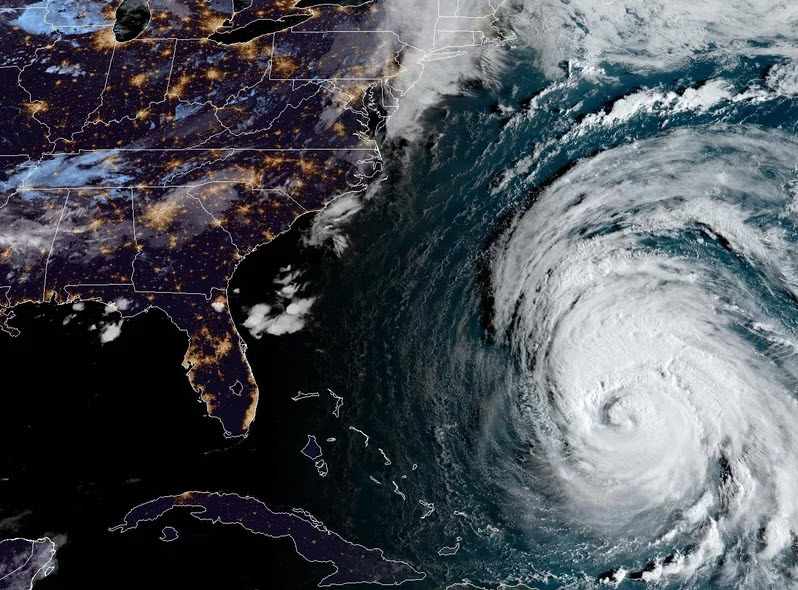
After the Hurricane: Your Step-by-Step Guide to a Florida Roof Damage Claim
Recovering from a hurricane is tough. The last thing anyone wants to deal with is a confusing insurance claim. The process can feel like a maze of strange words and deadlines, but you don’t have to go through it alone. Think of this guide as your friendly map. We’ll walk you through each step of filing a hurricane roof damage claim in Florida, turning a stressful task into a manageable plan. Being organized and knowing what to expect is your best strategy for getting the fair and timely help you need to rebuild.
Before we dive in, let’s decode some of the common insurance words you’ll hear. This cheat sheet will help you understand the language of your claim.
| Insurance Term | What It Means for You (In Simple Terms) | |||
|---|---|---|---|---|
| Mitigation of Damage | Your job to take reasonable steps (like putting a tarp on a hole) to stop the damage from getting worse. Your policy requires this! | |||
| Hurricane Deductible | A special, higher deductible for hurricane damage that’s a percentage of your home’s total insured value, not the repair cost. | |||
| Adjuster | The person the insurance company sends to inspect the damage and estimate the repair cost. They work for the insurance company. | |||
| Scope of Work | The detailed list from the insurer or a contractor that describes exactly what repairs will be done and what materials will be used. | |||
| Public Adjuster | An expert you can hire to help you manage your claim and negotiate with the insurance company on your behalf. They work for you. | |||
| Sworn Proof of Loss | A formal, signed document the insurer might ask for where you state the amount of your damages. It’s a sworn statement and often has a strict deadline. |
Your First Moves: What to Do Before You Even Call Your Insurer
What you do in the first hours and days after the storm is the most important part of the entire claims process. This is where you build the foundation for a successful claim.
Prioritize Safety Above All
Before you do anything else, make sure the area is safe. Storms leave behind hidden dangers. Be aware of downed power lines, unstable trees, and broken gas lines. Never, under any circumstances, walk on a roof that you think might be damaged. It can be incredibly dangerous and is a job best left to professionals.
Document Everything: Your Most Powerful Tool
Your smartphone is your best friend right now. The photos and videos you take are powerful proof of the damage your home suffered. You cannot take too many pictures.
-
Photos: Take wide shots of your entire house from different angles. Then, get close-ups of every single problem you can find: missing shingles, cracked tiles, dented gutters, and damaged flashing around vents or chimneys.
-
Videos: Take a slow video as you walk around the outside of your house and then through the inside. Speak out loud about the damage you see as you record. This helps capture the full picture in a way photos sometimes can’t.
-
Interior Damage: Don’t forget to look inside. Water from a damaged roof can leave stains on your ceilings and walls. Check your attic for damp rafters or signs of leaks.
-
Personal Property: If the roof leak damaged furniture, electronics, or other belongings, take photos of those items, too.
Stop the Bleeding: Mitigate Further Damage
Your insurance policy requires you to take “reasonable steps” to prevent the damage from getting worse. This is called “mitigation of damages”. This doesn’t mean you should start making permanent repairs. In fact, making big repairs before an adjuster sees the damage can hurt your claim.
Instead, focus on temporary fixes. The most common and important one is covering a hole in your roof with a tarp to keep rain out. The good news is that the cost of these temporary repairs, including materials like tarps and plywood and any professional help you hire, is usually covered by your insurance policy. In Florida, having a professional tarp a roof can cost between $800 and $1,600, so it is important to keep every single receipt to get that money back.
Making the Call and Meeting the Adjuster
Once you’ve taken care of safety, documentation, and temporary repairs, it’s time to officially start your claim and prepare for the insurance adjuster’s visit.
Reporting Your Claim
The fastest way to get your claim started is to call your insurance company’s dedicated claims hotline, which is usually available 24/7. When you call, have this information handy:
-
Your policy number.
-
The address of the damaged property.
-
A short, simple description of the damage.
During the call, you will be given two very important pieces of information. Write them down and keep them in a safe place: your claim number and the name and contact information of the adjuster assigned to your case.
Preparing for the Adjuster’s Visit
The insurance adjuster is the person sent by your insurance company to inspect the damage. Being prepared for their visit is key to a fair assessment.
-
Be There!: It is very important that you are home during the inspection. You can’t assume the adjuster will notice every detail on their own.
-
Present Your Evidence: Give the adjuster copies of your photos, videos, and receipts for any temporary repairs. If you have already received an independent repair estimate from a trusted contractor, share that as well. This helps set a clear expectation for the cost of repairs from the very beginning.
-
Walk the Property Together: Walk with the adjuster and politely point out every area of damage you documented, both outside and inside. You are the expert on your home; be their guide.
-
Keep Notes: Write down the date and time of the visit and make notes about your conversation. Sending a polite follow-up email summarizing what was discussed can create a helpful paper trail.
To make sure you get all the information you need, here are a few smart questions to ask the adjuster during their visit:
-
“Can you please explain the difference between ‘Actual Cash Value’ and ‘Replacement Cost Value’ for my roof coverage?”
-
“What is the next step in the process, and when can I expect to hear from you?”
-
“How will my hurricane deductible be applied to this claim?”
-
“Are the costs for the tarp and other temporary repairs I made covered?”
Know the Rules: Florida’s Timelines for Your Claim
Florida law has specific deadlines that both you and your insurance company must follow. Knowing these timelines helps you manage the process and hold your insurer accountable.
Your Most Important Deadline: Filing the Claim
This is a critical update for all Florida homeowners. The law has changed. You now have only ONE YEAR from the date the hurricane made landfall to file your initial insurance claim. The old two-year deadline is no longer in effect. This shorter timeline means you must act quickly after a storm.
If you discover additional damage later on, you can file a “supplemental claim,” but that has its own deadline of 18 months from the date of the storm.
The Insurer’s Deadlines: The “Prompt Pay” Rules
Your “Homeowner Claims Bill of Rights” in Florida gives you legal protections and sets deadlines for your insurance company.
-
7 Days to Acknowledge: Your insurer must confirm they received your claim within 7 days.
-
90 Days to Decide: The insurance company has a total of 90 days from the day you report the claim to make a final decision—to pay, partially pay, or deny your claim.
A Special Deadline: The “Sworn Statement in Proof of Loss”
Sometimes, an insurer will ask you to fill out a formal document called a “Sworn Statement in Proof of Loss,” or SPOL. This is a notarized form where you state, under oath, the total amount of your damages. If you receive a request for an SPOL, a new clock starts ticking. You typically have a strict deadline, often 30 or 60 days, to complete and return it. Failing to submit this form on time can be grounds for the insurance company to deny your entire claim, so it’s a request that should be taken very seriously.
The Hurricane Deductible Puzzle: Solved
One of the most confusing parts of a Florida hurricane claim is the deductible. It works differently than the standard deductible you might be used to.
The Most Important Rule: It’s a Percentage of Your Home’s Value
Your hurricane deductible is almost always a percentage (like 2%, 5%, or 10%) of your home’s total insured value, not a percentage of the repair cost. You can find this value, often called “Coverage A” or “Dwelling Coverage,” on the first page of your policy, known as the declarations page.
Here is a clear example:
-
Your Home’s Insured Value (Coverage A): $400,000
-
Your Hurricane Deductible: 2%
-
Your Out-of-Pocket Cost: $400,000 x 0.02 = $8,000
This means if a hurricane causes $50,000 in covered damage to your roof, you are responsible for paying the first $8,000. The insurance company will then pay the remaining $42,000.
The “One Per Year” Rule
Here’s some good news. In Florida, you only have to pay your hurricane deductible once per calendar year, as long as you stay with the same insurance company. For example, if that first hurricane only caused $3,000 of damage, you would pay that amount. If a second hurricane hits later that year, your remaining deductible is only $5,000, not the full $8,000. This is why it’s smart to file a claim even if the damage seems less than your deductible—it gets credited toward your annual total.
The Settlement Offer: Reviewing, Questioning, and Getting Help
After the adjuster’s visit, you will eventually receive a settlement offer from your insurance company. It is very important to review this offer carefully before you accept it.
Don’t Cash That Check (Yet!)
As a general rule, you should not cash a settlement check until you are absolutely sure you agree with the amount. Cashing the check can sometimes be seen as your final acceptance of the offer.
Review the “Scope of Work”
The settlement offer will come with a “Scope of Work,” which is the insurance company’s detailed list of exactly what they agree to pay for, including materials and labor. Compare this document, line by line, with the estimate you got from your own trusted contractor. Look for differences. Did the insurer’s estimate use lower-quality materials? Did they miss some of the damage you documented?
If You Disagree: Your Escalation Ladder
If the settlement offer is too low or your claim is denied, you have several options. Think of it as a ladder you can climb to get a fair result.
-
Step 1: File a Formal Appeal: Your first step is to file a written appeal directly with your insurance company. In your appeal, you should include your contractor’s estimate and any other evidence that shows why their offer is too low.
-
Step 2: Hire a Public Adjuster: If the dispute is about the cost of the repairs, you can hire a public adjuster. They are licensed professionals who work for you, not the insurance company, to evaluate the damage and negotiate a better settlement. They are experts in valuing damage and are most helpful when negotiations have stalled. They are typically paid a percentage of the claim settlement.
-
Step 3: Consult an Insurance Attorney: If your claim was denied because the insurer says your policy doesn’t cover the damage, or if you believe the company is acting in “bad faith” (for example, by creating unreasonable delays), it may be time to speak with an attorney. An attorney can interpret the legal language of your policy and, if necessary, take legal action on your behalf. This is usually the last step when other options have not worked.
-
Another Option: File a Complaint: You can also file a complaint with the Florida Department of Financial Services. This state agency oversees insurance companies and can help mediate disputes between homeowners and their insurers.
You Can Do This, and We’re Here to Help
The insurance claim process after a hurricane is a marathon, not a sprint. But by staying organized, documenting everything, and understanding your rights, you can navigate the system and work toward the settlement you need. The evidence you gather is your most powerful asset.
Often, the most important piece of evidence you can have is a detailed, independent damage assessment from a trusted, local roofing contractor. It provides a professional, real-world benchmark for what your repairs should truly cost.
Before you even finalize your claim, let our experts at Orange Contracting and Roofing provide a comprehensive, no-obligation roof inspection and damage report. This detailed estimate can be your most valuable tool in ensuring you get the fair settlement you deserve to make your home whole again.
Call Orange Contracting and Roofing at 407-205-2676 or email [email protected]
The company’s office is located at 105 Candace Dr., Suite 129, Maitland, FL 32751. Taking this step can help ensure a home is well-prepared to face the demands of the Central Florida climate for years to come.