
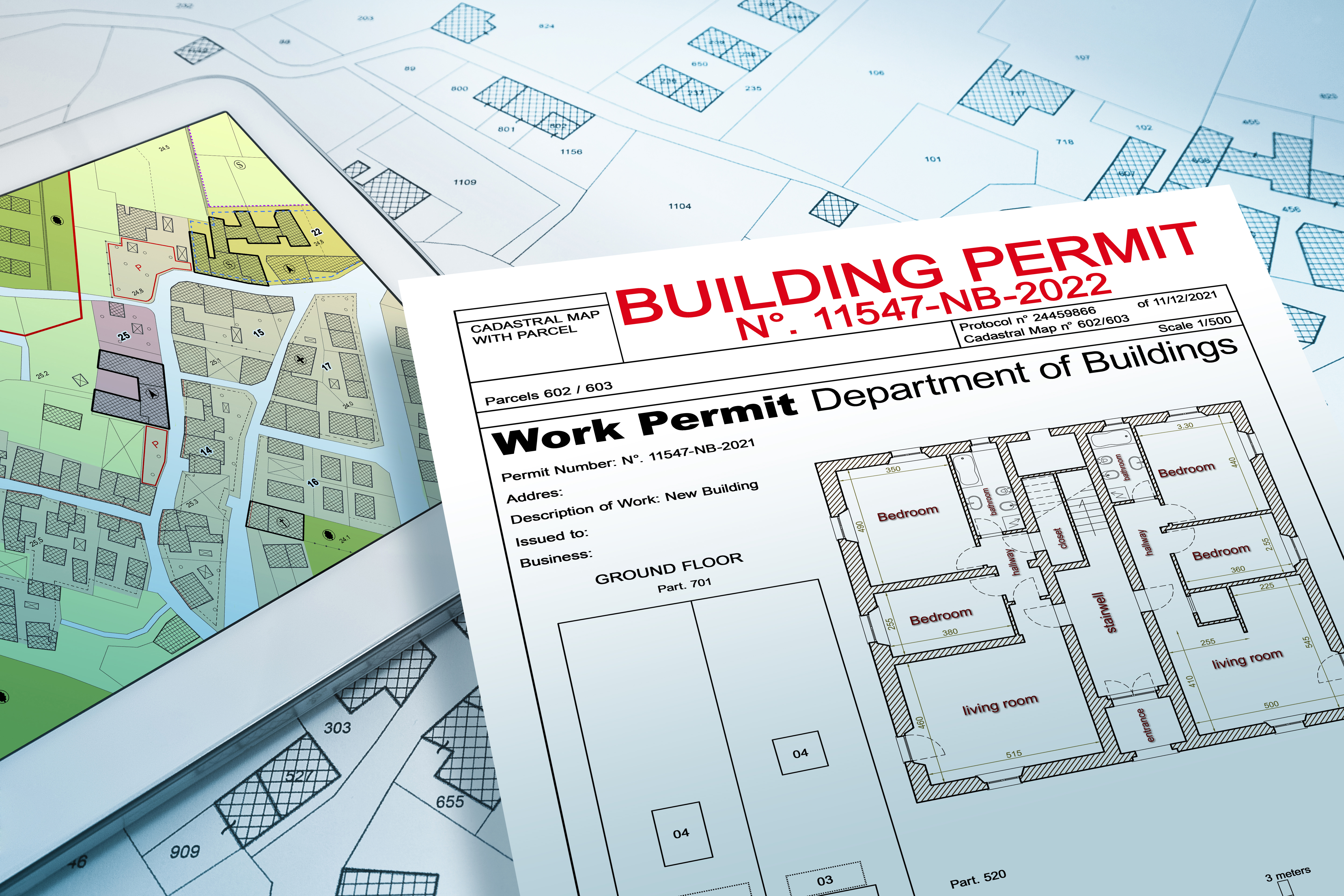
Most Florida homeowners wonder, “Do I need a permit to replace my roof in Florida?” In almost every case, the answer is yes. Florida’s Building Code (FBC) and state law require a building permit for almost all roof replacements or major repairs sumtercountyfl.gov sweeneylawpa.com. The permit ensures the new roof meets safety and wind-resistance standards. It protects you, your family, and future buyers by confirming the work follows the latest Florida codes and local regulations sumtercountyfl.gov sweeneylawpa.com. (Minor repairs — like patching less than 100 sq. ft. — may be exempt sumtercountyfl.gov.) In short, if you are replacing or significantly repairing your residential roof in Florida, you’ll generally need to pull a roof permit.
When Is a Roof Permit Required?
Florida law is clear: under F.S. 553 and the Florida Building Code, any time a structure is “erected or altered,” a permit is required sweeneylawpa.com. This covers adding, moving, or repairing parts of a home. The local building department will almost always require a permit for a full roof replacement. For example, Sumter County’s Building Division notes that “Section 105 of the Florida Building Code requires permits for most construction-related work”, including roof work sumtercountyfl.gov. In practice, full roof replacements or re-roofs always need permits in Florida.
That said, the code does allow small exceptions. For instance, some counties (like Sumter) explicitly exempt very minor roof repairs. Sumter’s guideline lists “roof repair… less than 100 square feet” as not requiring a permit sumtercountyfl.gov. In plain terms, if your contractor is only patching a few shingles or fixing a small leak (under about 100 sq. ft.), you might not need a permit. But as soon as the work approaches replacing a significant portion of the roof (or the entire roof), a permit is required by law sumtercountyfl.gov sweeneylawpa.com.
Another reason to get a permit: local governments often enforce stricter rules in hurricane-prone zones. In High-Velocity Hurricane Zones (HVHZ) like Miami-Dade and Broward, even re-roof projects must meet extra requirements in the FBC. (In non-HVHZ areas, standard wind-load rules apply.) If you skip a permit, you risk missing these requirements.
Florida Building Code Requirements for Roofs
Replacing your roof isn’t just a paperwork issue — it must meet the Florida Building Code’s technical standards. The FBC includes special roofing rules to ensure roofs withstand storms. For example, the 2020 FBC adopted the ASCE 7-16 wind-load tables, which raised design wind pressures on roofs. In simple terms, the code now requires thicker roof sheathing and stronger nail fasteners for deck boards floridabuilding.org. Under the latest code, even how you fasten plywood or OSB sheathing changed: the rules specify ring-shank nails of a certain size and spacing for different sheathing thicknesses and wind zones floridabuilding.org. In short, a new or replaced roof in Florida must meet these modern code specs for fasteners, underlayment, and overall wind rating.
Additionally, Florida law once had a “25% rule” requiring a full roof upgrade if a quarter of it was replaced. That rule was eliminated in 2022, but the idea remains that new roofing work must meet current code. Today, if you replace part of a roof, the new section must comply with the latest FBC (even if the rest of the roof was built under an older code). In all cases, the permitting and inspection process is there to check these code details.
Who Can Apply for the Permit?
By Florida law (Chapter 489), only certain people can pull a building permit. Licensed contractors (with the appropriate roofing or general construction license) are allowed to apply for and hold permits for their work orangecountyfl.net. If you hire a professional roofing contractor, they will typically pull the permit in their name. In fact, Orange County’s guidelines state that “Licensed Contractors and Sub-Contractors may apply for permits within the scope of their trade/license” orangecountyfl.net.
Homeowners can also apply for a permit, but only under strict conditions. Florida law provides an owner-builder exemption (F.S. 489.103(7)(a)). This means an owner can act as their own contractor only if: the home is their own primary residence, and they sign an Owner-Builder Disclosure. For example, Orange County’s roofing permit page explains that homeowners doing their own work must submit an Owner-Builder Disclosure form and accept full responsibility. It even cites the Florida Statute 489.103(7)(a) exemption for owner-builders orangecountyfl.net. In other words: if you’re living in the house and plan to replace the roof yourself (or hire subcontractors directly), you must file the proper owner-builder paperwork. Otherwise, hire a licensed roofing contractor who will handle the permit for you.
Key point: Make sure whoever applies for the permit is authorized to do so. If a contractor applies, they must have a valid Florida license. If the homeowner applies, they need the owner-builder affidavit. The permit application will ask for proof — either contractor license information or the owner-builder form orangecountyfl.net.
How the Roof Permit Process Works
The exact process can vary by city or county, but the steps are similar everywhere in Florida. Typically:
-
Complete the permit application. You or your contractor will fill out a residential roof permit application with the local building department. Many Florida jurisdictions now offer online systems (e.g. Orange County’s FastTrack portal) orangecountyfl.net. You’ll describe the job (roof replacement), address, contractor info, and cost of work.
-
Submit required documents. Along with the application, you’ll need several items. These usually include details about the home and the project. For example, Orange County lists the following information as required: building type (residential home), type of work (re-roof), value of work, roof square footage, building stories, and roofing materials orangecountyfl.net. In practice, you’ll likely provide:
-
A signed permit application form.
-
The Owner-Builder Disclosure (if owner-applicant) or contractor’s license information orangecountyfl.net.
-
Proof of property ownership (deed or tax bill).
-
Construction plans or details, if required (usually simple for re-roofing).
-
Notice of Commencement (for jobs over $2,500) orangecountyfl.net.
-
Any local checklists or affidavits (e.g. wind mitigation forms in some counties).
-
-
Pay fees and reviews. You must pay the permit fee (often based on roof area or job value). The building department will review your application and documents for completeness and code compliance. In Orange County, once you submit everything, they review it and then issue the roof permit to the owner or contractor by email orangecountyfl.net. This can sometimes happen the same day if no issues are found.
-
Install the roof. With the permit issued, the roofing work can begin. It’s important to keep the permit and approved plans on site, as inspectors will want to see them.
Inspection Timeline
Most residential reroof projects require at least one or two inspections: an in-progress (dry-in) inspection and a final inspection. For example, Pinellas County mandates an in-progress inspection after the underlayment (or dry-in) is installed pinellas.gov. This allows the inspector to check that the roofing felt or membrane is correctly laid and that deck nailing meets code. Once the roof covering (shingles, metal, tiles, etc.) is fully installed, a final inspection is done to verify the completed work. The inspector will ensure flashing, vents, and connections are correct, and that the roof matches the approved permit. In short, don’t forget to schedule the required inspections — the permit’s sign-off depends on them pinellas.gov.
When a Permit May Not Be Needed
As noted above, very minor repairs might not trigger a permit. State law and many county rules exempt small, simple work. Examples include replacing a handful of shingles, patching a small area, or other non-structural fixes well under 100 sq. ft. (Sumter County explicitly lists “roof repair… less than 100 square feet” as not requiring a permit sumtercountyfl.gov.) Likewise, maintenance tasks like painting or cleaning gutters generally don’t need a permit. However, if the work involves structural elements (sheathing, decking, rafters) or exceeds local square-foot limits, get a permit. When in doubt, check your city/county building department — it’s safer to ask than to assume.
Consequences of Skipping a Permit
Why should you never skip a required roof permit? The risks can be serious:
-
Legal Penalties: Building without a permit is a violation of Florida law sweeneylawpa.com. Your local government can impose hefty fines. In Florida, unpermitted work can incur double the normal permit fee (and even triple or quadruple fees for repeat violations) sweeneylawpa.com. They may also demand the work be opened up or even remove it until code compliance is verified. Essentially, doing the job without a permit almost always costs more time and money in the long run sweeneylawpa.com.
-
Voided Insurance: Most insurance companies require a valid building permit to cover roof work. If you roofed without pulling a permit and later have a claim (for a leak or storm damage), the insurer can deny coverage. In fact, legal experts note that “without a permit, it is more than likely that an accident occurring on the premises… will not be covered under the builder’s insurance” sweeneylawpa.com. In other words, an invalid or missing permit can put your home insurance at risk — a huge gamble when hurricanes are a concern.
-
Resale and Liability Issues: When you sell your home, inspectors and appraisers will look for proper permits on record. Unpermitted work can force costly retroactive permitting or outright trouble with a sale. Moreover, if an unpermitted repair is unsafe, you or a future owner could face liability if someone is hurt or damaged by a faulty roof.
In summary, skipping a permit is not worth the temporary savings. Always get the permit first. It may add a small fee, but it preserves your legal and financial protection sweeneylawpa.com sweeneylawpa.com.
Ensuring Code Compliance
To stay compliant, work closely with your contractor or the building department. Always ensure:
-
Florida Building Code Standards: A new roof must meet current FBC rules for wind load, underlayment, flashing, etc. For example, Roof Deck attachment and underlayment upgrades may be required under sections of the code. Using products approved by the Florida Product Approval can help pass inspection.
-
Local Amendments: Some cities/counties have additional checks (e.g. Miami-Dade does wind uplift testing for certain tile roofs). Confirm any local rules with the permitting office.
-
Licensed Contractor: Hire a contractor licensed by the Florida DBPR for roofing. A licensed roofer will be familiar with code and permit process, whereas unlicensed roofers are illegal for most projects.
-
Document Everything: Keep copies of the approved permit, inspection reports, and any correspondence. These prove compliance for you and future owners.
Conclusion
In Florida, almost every residential roof replacement requires a permit. The Florida Building Code (Sec. 105) and state statutes make clear that permits are mandatory for most roofing work sumtercountyfl.gov sweeneylawpa.com. Pulling the proper permit — and completing all inspections — ensures your new roof is safe, legal, and protected by insurance.
Orange Contracting and Roofing can help. We are experienced licensed roofing contractors serving Florida homeowners. We’ll guide you through every step: from applying for a residential roof permit to performing a code-compliant installation. Don’t risk fines or voided insurance — let us handle the paperwork and the roof.
Call Orange Contracting and Roofing at 407-205-2676 or email [email protected]
The company’s office is located at 105 Candace Dr., Suite 129, Maitland, FL 32751. Taking this step can help ensure a home is well-prepared to face the demands of the Central Florida climate for years to come.